Ted Turner’s other empire
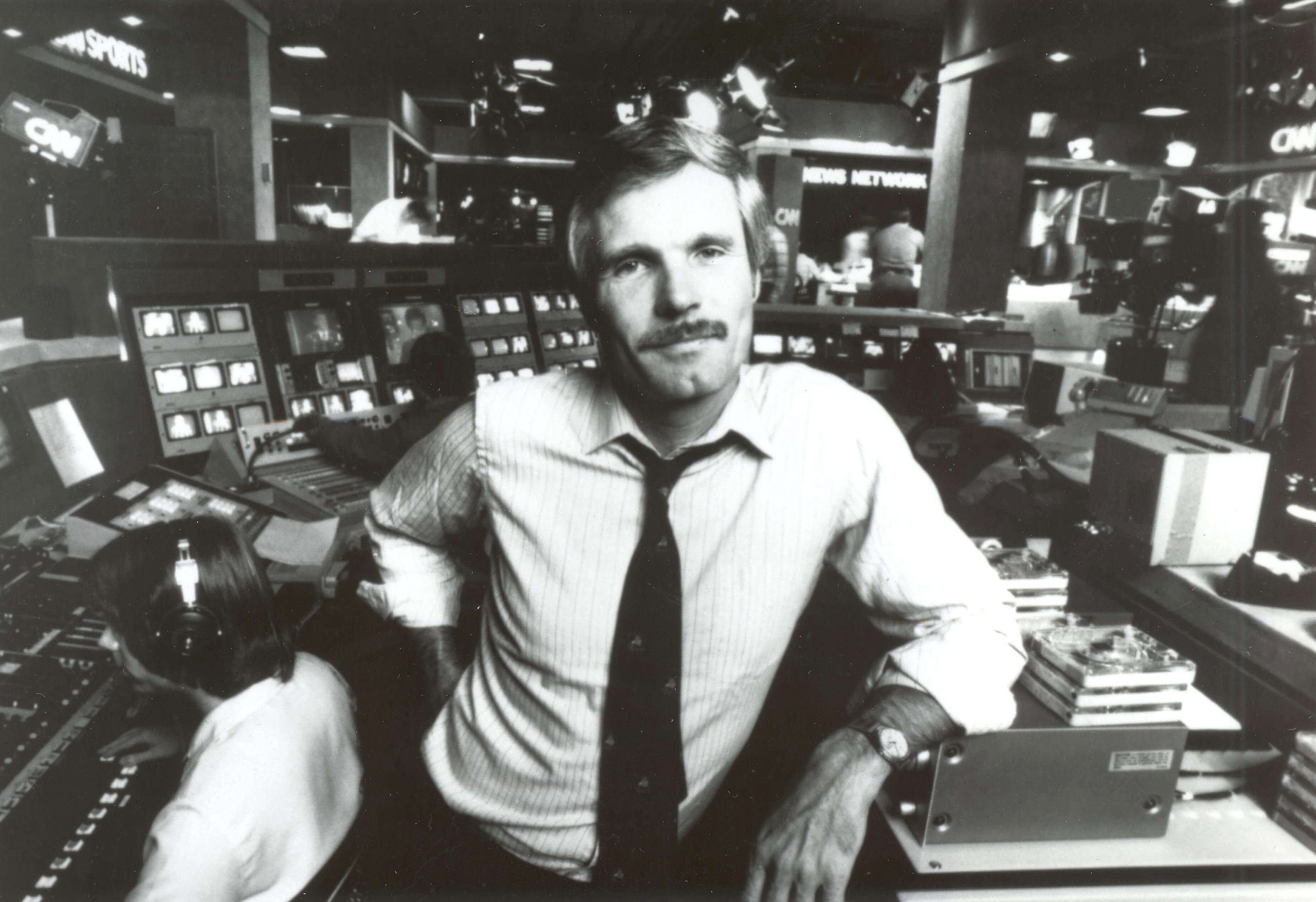
Ted Turner, who died today, liked to present himself as a businessman who had simply applied the same habits to a larger subject. First he bought a struggling billboard company and made it work. Then he built a television empire, beginning with CNN in 1980. After that, he turned much of his attention to land, wildlife and the damage humans do when they treat nature as an afterthought. He was rarely subtle. “The planet is collapsing all around us,” he told an audience at Stanford in 2010.
His environmentalism was not ornamental. He pursued it through land, philanthropy and public argument. By the 2010s he was described as one of America’s largest private landowners, with roughly 2m acres across several states and holdings abroad. The scale mattered, but so did the intent. Turner wanted to keep places “as natural as possible,” and was willing to spend money, hire expertise and accept controversy to do it.
On his properties, staff worked to remove nonnative weeds, restore waterways, encourage pollinators, and rebuild habitat. At Avalon Plantation in Florida, his environmental programs were credited with helping save the red-cockaded woodpecker from extinction. In the Deep South he planted more than one million longleaf pines. His Flying D Ranch in Montana became a test case for the idea that large private ownership need not mean fragmentation. Visitors noticed not what had been built, but what was missing: fences, telephone poles, wires, and other hard marks of infrastructure.
Turner’s conservation was not only about leaving places alone. On Cherry Creek in Montana, a project sought to restore native westslope cutthroat trout by removing nonnative fish and rebuilding habitat. To admirers, it showed what private-land restoration could achieve at watershed scale. To critics, it showed the uneasy edge of active intervention. Turner seemed comfortable with that tension. He saw damaged systems as things that could be repaired.
Wildlife gave his work much of its force. His fascination with bison began in childhood and later became central to his land use. He built one of the world’s largest private herds and described bison as ecological tools for healing degraded rangelands. He also defended less-loved species, including prairie dogs, arguing that they were being treated as vermin and erased.
Beyond his fences, Turner converted wealth into institutions. The Turner Foundation funded environmental and public-health work. The United Nations Foundation, created with his $1 billion pledge, reflected his faith in large-scale coordination. His politics could be blunt, his presence exhausting, and his convictions restless. Yet his purpose was plain: land, water, air and living things were not abstractions. They were the world people had to live in.
He owned many places, and named them readily, but when asked for a favorite, he offered the broadest answer available: “Planet Earth. The whole place.”
💐 His full obituary: Ted Turner, a media mogul who tried to repair the land