Alexine Keuroghlian gave a forgotten forest animal, the peccary, its champion
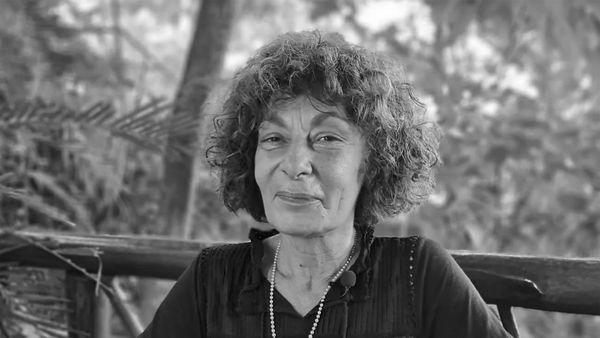
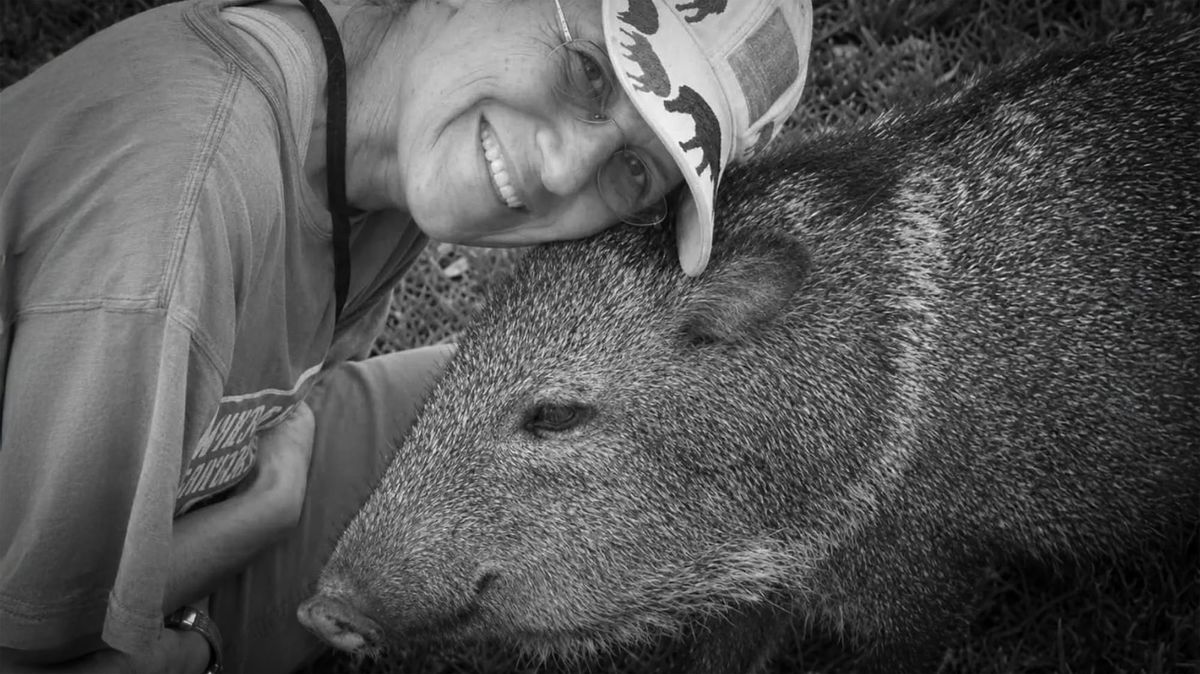
Alexine Keuroghlian, who died on October 30th, spent more than 25 years studying the white-lipped peccary, a wild pig that helps sustain tropical forests. She showed that its herds need connected landscapes, and she persuaded ranchers and rural communities in Brazil to help protect them.
The women of the futsal team already knew the white-lipped peccary. It was their mascot. What Alexine Keuroghlian asked of them was harder: to go home and talk about it, to their families and friends and to the people around them who ran cattle on land the peccaries crossed. They did. Neighbors began attending courses on sustainable land management, including ways to manage cattle without clearing more forest. Some ranchers found that the changes benefited their operations as well.
The queixada, as Brazilians call it, was a difficult animal to sell to the public. Jaguars ate it, while giant otters and tapirs attracted far more attention. It is a heavy, bristly, pig-like creature, best known by the white markings under its snout. In 2009, while following radio-collared herds on the plateau above the Pantanal, her team came upon caves whose walls had been painted by hunter-gatherers between 4,000 and 10,000 years ago. There were armadillos, deer, big cats, birds and reptiles, but no peccaries. They were overlooked, even then.
She noticed them. Her parents had taken her to Brazil as a child, and although she went back to America to study, earning degrees in zoology at Drew University, in wildlife management at West Virginia and a doctorate in ecology at Nevada, Reno, the country drew her back. Keuroghlian studied primates in the Amazon and ran a research center in the Pantanal for five years. But it was the queixada that would occupy the rest of her life. In 2000 she founded the Peccary Project.
Her research showed how much space white-lipped peccaries needed. They travel in large herds over long distances, and they are often the first big mammals to disappear when forest is broken into pieces. Breaking up the forest reduced the space available to herds and made them easier for hunters to reach. In 2012, by then running the Pantanal program of the Wildlife Conservation Society, she reported genetic evidence that populations as much as 80km apart were connected. A reserve on its own would not do. The land between patches of forest, much of it on private ranches and across wetlands, had to stay passable too. She argued for corridors, for curbs on hunting and for protected areas sited where they would count, and worked with ICMBio, Brazil's federal conservation agency, on a national plan to protect peccaries and similar species.
A herd moving through a forest eats some seeds and carries others away, turns the soil, and leaves wallows where frogs breed. Keuroghlian was among the contributors to a range-wide assessment of the peccary's decline, and to a study in 2022 of how whole populations vanish across vast areas and, sometimes, come back.
Keuroghlian also wanted research to reach people outside universities. She founded and coordinated Ciência Pantanal, a magazine set up with WWF to explain science about the wetland, published in more than one language and printed for distribution to rural communities, to the people whose choices about fences, pasture and hunting would decide whether the herds survived. When the IUCN gave her an award for conservation leadership in 2012, she said she wished there could be awards for all the conservationists struggling to make a difference in their regions.
Alexine Keuroghlian died on October 30th, aged 64.