Mitchell Byrd helped bald eagles bounce back
In the long arc of conservation, recovery is often slow enough to be mistaken for stasis. Populations dwindle, habitats shrink, and reversal depends less on moments of triumph than on decades of patient observation, persuasion, and persistence. Progress is recorded not in headlines but in ledgers: nests counted, territories mapped, landowners convinced, protections negotiated. For much of the late 20th century along the Chesapeake Bay, that work took place in small planes flying low over rivers and marshes or on foot through shorelines steadily giving way to development.
By the time bald eagles began to return in visible numbers, their recovery was already the product of many accumulated efforts. The ban on DDT and the framework of the Endangered Species Act created the conditions for resurgence. But translating those conditions into viable populations required sustained attention to where birds lived, nested, and fed—and to the human pressures that continued to erode those places.
Mitchell A. Byrd was among those who devoted a career to that task. Over more than half a century, much of it at the College of William & Mary, he became closely associated with efforts to monitor and restore bird populations in the Chesapeake region. He was widely credited with helping to bring the bald eagle back from the edge of disappearance in Virginia, though he tended to deflect such claims, emphasizing habitat protection and public awareness.
His work began in earnest in the late 1970s, when eagle numbers in Virginia had fallen to a few dozen breeding pairs. Byrd undertook aerial surveys to establish a baseline, returning year after year to track changes that were, at first, barely perceptible. Over time, those flights documented a steady increase, as nests reappeared along rivers where they had long been absent. The data also informed land-use decisions and conservation strategies in a region under increasing pressure from development.
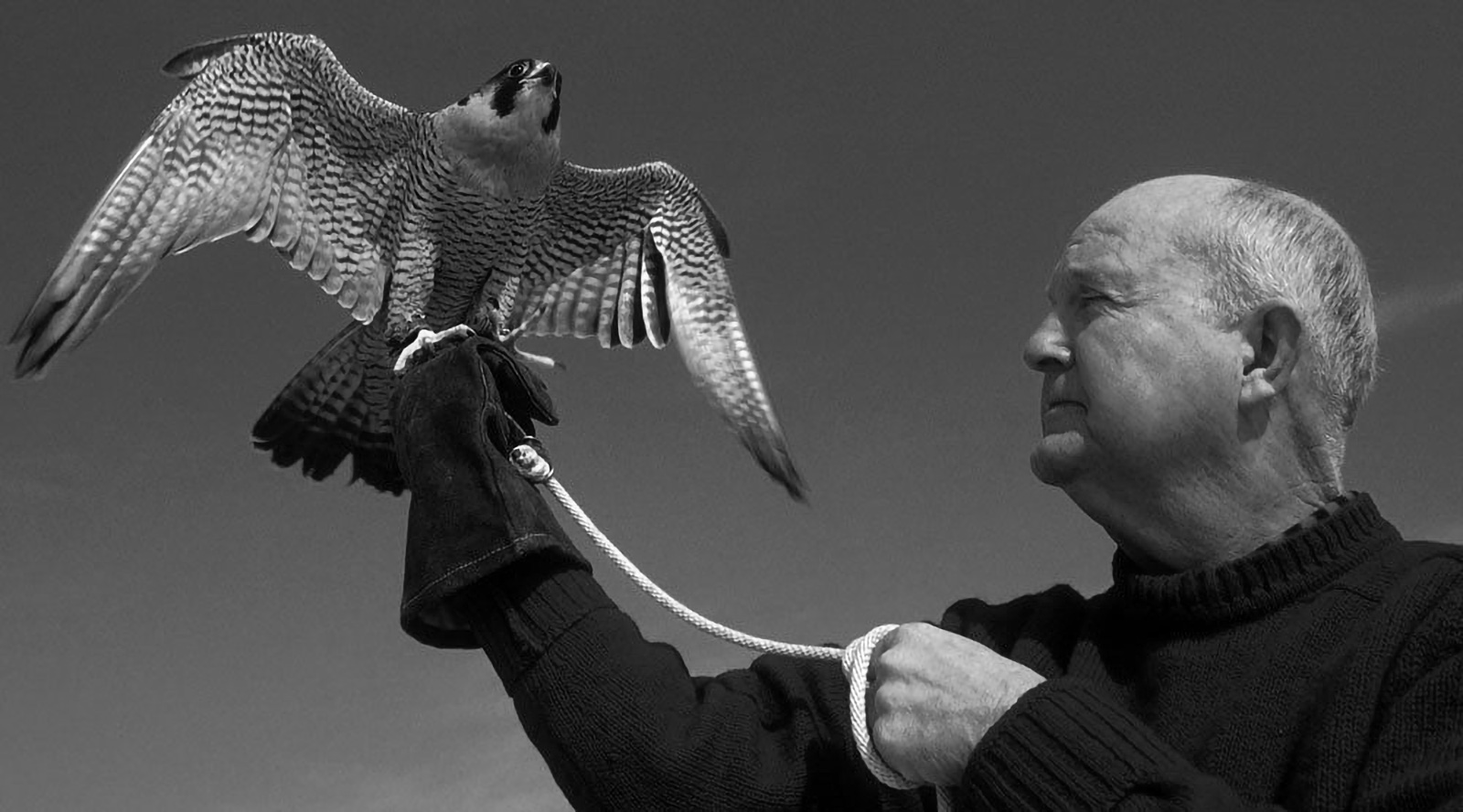
Byrd’s interests extended beyond eagles. He played a leading role in efforts to reintroduce peregrine falcons to the eastern U.S. and worked with a range of other species across the Chesapeake watershed. His approach combined field research with engagement with landowners and local authorities, often framing conservation as a practical matter of stewardship.
In 1992, he co-founded the Center for Conservation Biology, intended to sustain this kind of work as academic biology shifted toward laboratory-based disciplines. The center became a training ground for students who would go on to careers in ecology, wildlife management, and conservation, extending Byrd’s influence well beyond the region.
He remained active in field surveys into his later years, continuing to collect data on eagle populations long after their recovery had become evident. Even then, his focus remained the same: gains in numbers could be undone if the landscapes that supported them were not secured.