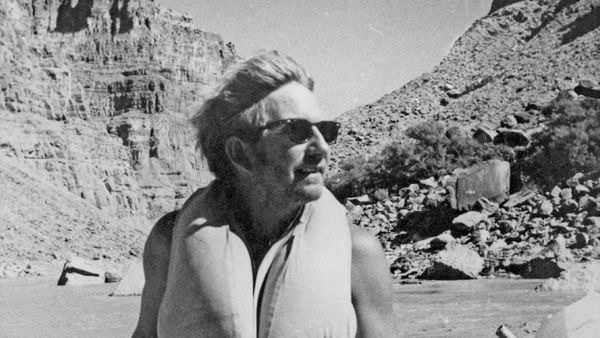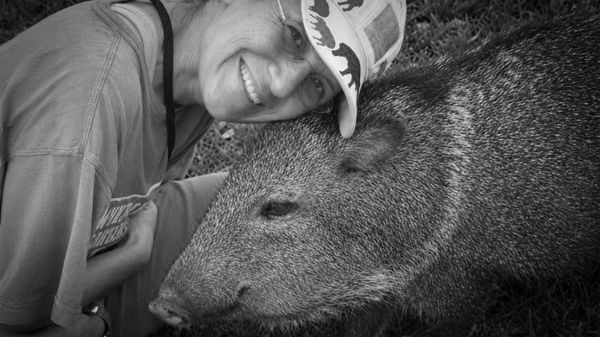
Mathias Espinosa, Galápagos dive pioneer and conservationist, died July 17, 2025
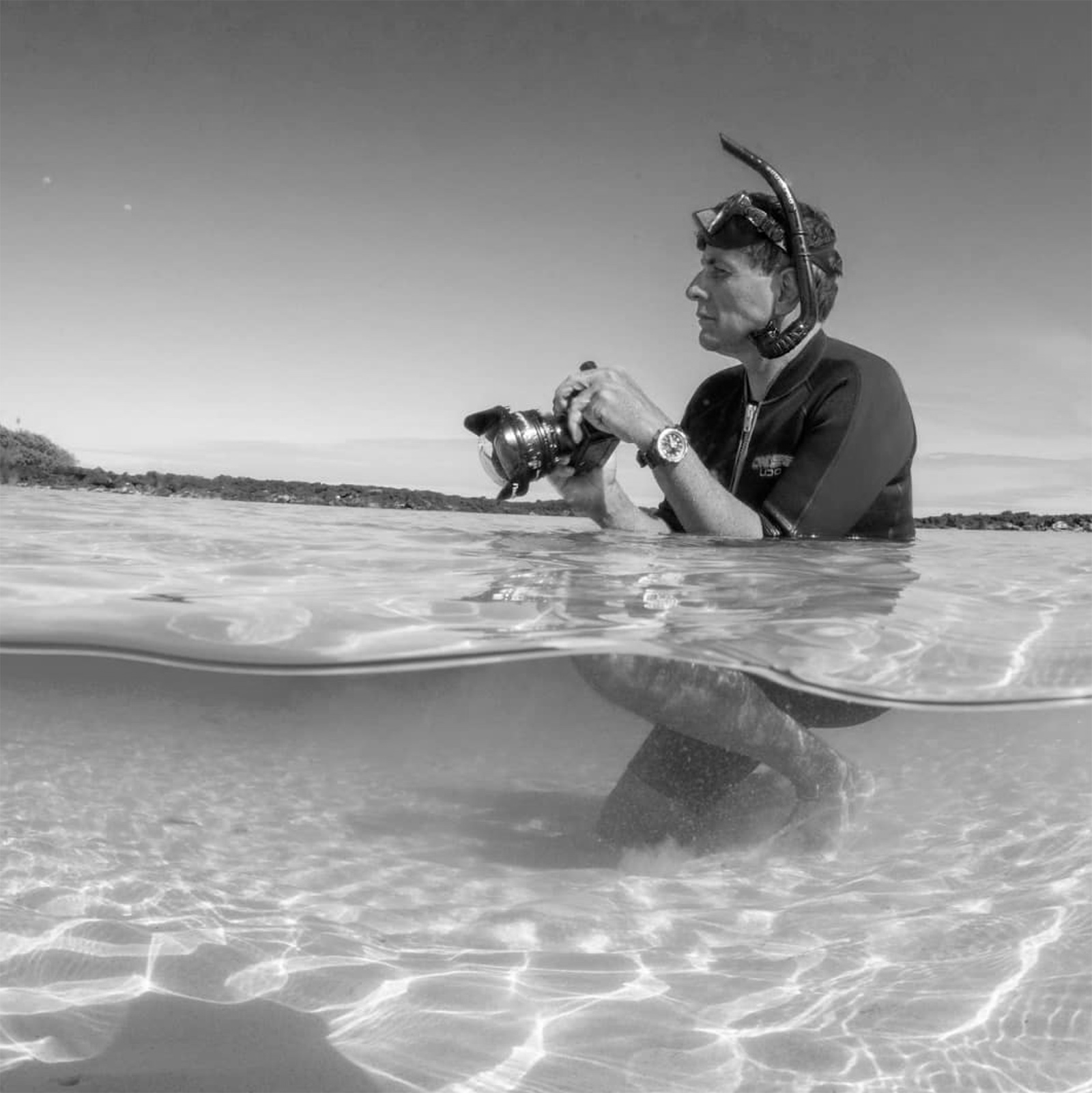
He was never supposed to stay. When Mathias Espinosa first set foot on the Galápagos in the early 1980s, it was as a young visitor sailing around the islands in a wooden fishing boat. Yet the archipelago gripped him. He returned again and again until it became not just his home but the stage on which he built a singular career: journalist, dive pioneer, guide, conservationist, musician, and, for thousands of visitors, the person who revealed the islands’ depths both literal and figurative. He died on July 17th from complications following an accident.
Espinosa’s beginnings were modest. After his parents separated, he left Germany for Ecuador with his father. They lived in a converted garage, a childhood that instilled resourcefulness. He attended the German School in Quito, then trained as a journalist back in Germany before reporting independently across Latin America. He covered disaster zones and political shifts with empathy rather than bombast. Yet his instincts pulled him back to the Galápagos, where words gave way to other forms of storytelling.
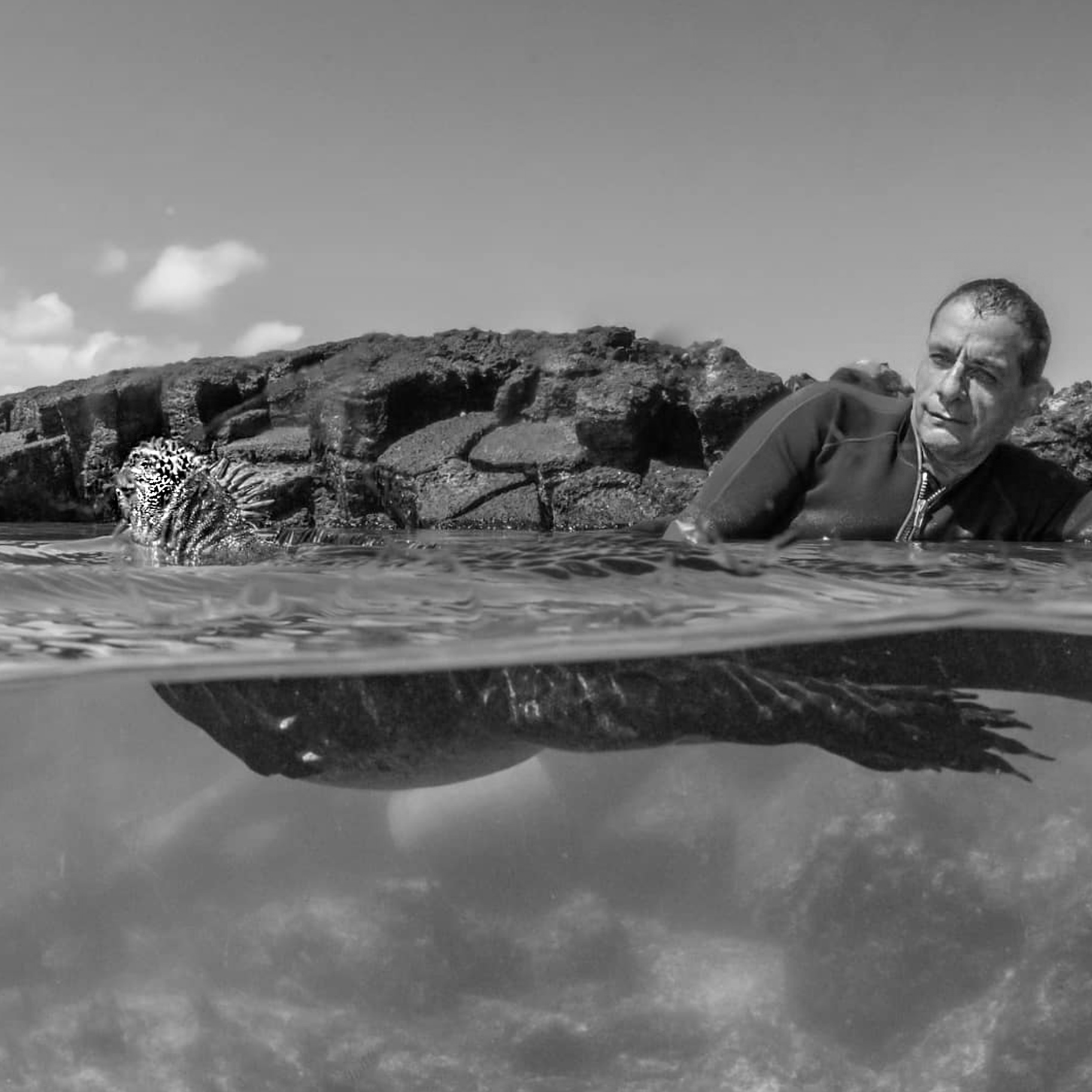
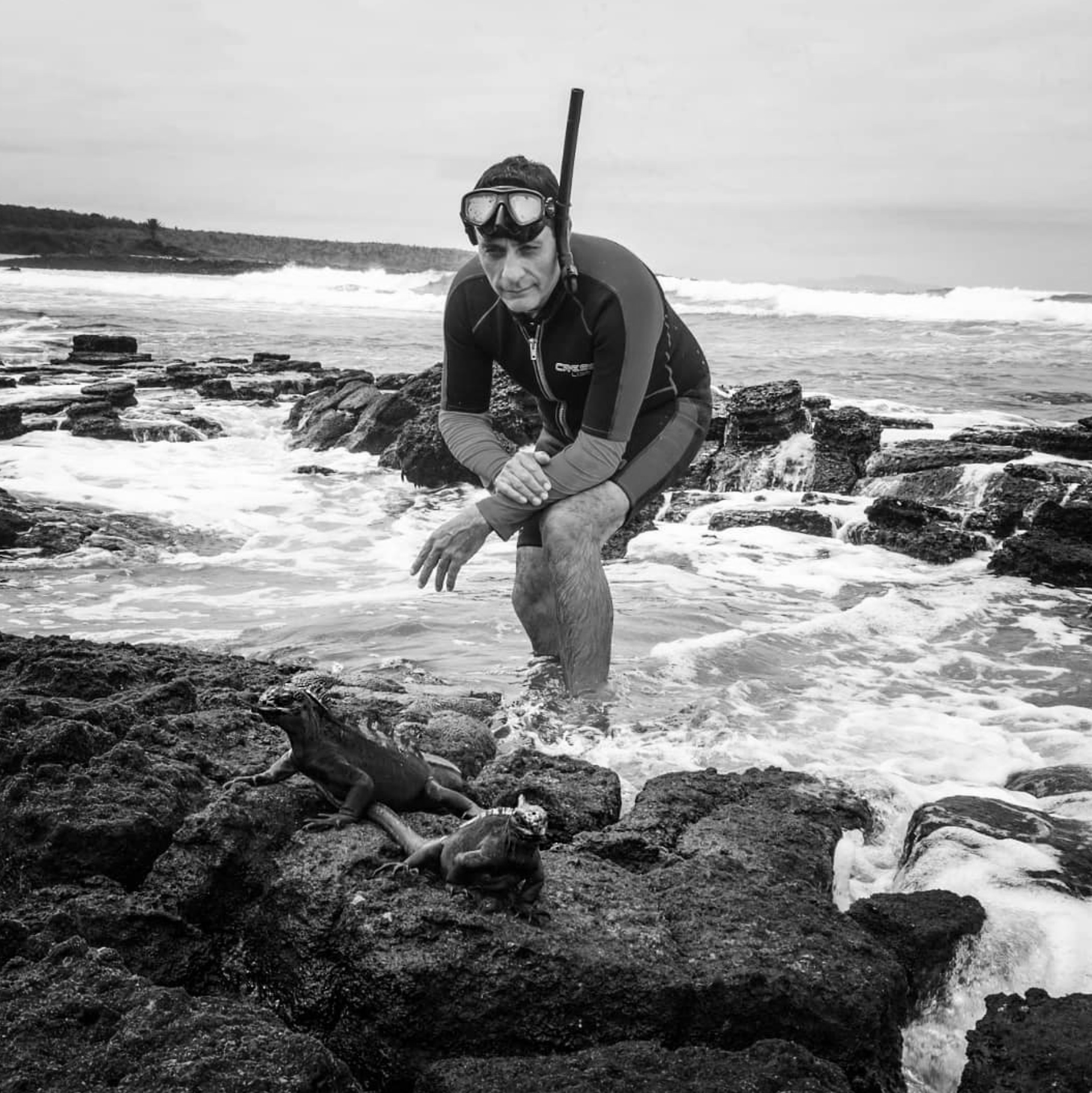
By the late 1980s he was among the first to guide dives at Wolf and Darwin Islands, now ranked among the world’s premier dive sites. With a friend, he co-founded Scuba Iguana in 1995, the first operation to offer day-trip diving in the archipelago. This simple innovation made its undersea riches accessible to travelers without the time or money for live-aboard cruises. Over the decades he logged more than 10,000 dives, trained former shark fishermen to become dive guides, and worked with the Smithsonian on the IMAX film Galapagos. Conservation was never abstract for him. When currents swept plastic rings around sea lions’ necks, he spoke bluntly of waste and greed. He reminded divers that the islands were a laboratory for human restraint, a test of whether people could coexist with nature.
He was not content with one role. Casa Mathias, the home he built in Puerto Ayora, became a gathering place for travelers and locals. There he played guitar, having taught himself, and sang songs about the islands’ creatures. His music lacked polish but brimmed with affection. In the pandemic years, when tourism collapsed, he sought new ways to keep Scuba Iguana afloat, partnering with local hotels and courting Ecuadorian clients who had long overlooked diving.
Espinosa was a bridge between worlds: German discipline fused with Ecuadorian warmth. Friends recall his humor, his generosity, and his depth of commitment to the Galápagos. On quiet evenings at Casa Mathias, he set down his gear and picked up a guitar. The songs were simple and the feeling plain: gratitude for a place that had given him a life. He asked of others only that they tread lightly. He leaves two sons, a wide circle of friends, and divers who learned to look more closely.