Michael Painter challenged conservationists to share power with Indigenous peoples
Michael Painter, an ecological anthropologist who joined the Wildlife Conservation Society in 1997, spent much of his career working at the intersection of conservation, Indigenous land rights, and rural development.

In the Bolivian Chaco, the Isoceño Guaraní did not need conservationists to tell them their land was under pressure. Agricultural settlement was advancing, and their organization, the Capitanía de Alto y Bajo Izozog (CABI), had territorial aims of its own. What outsiders could offer was scientific expertise, legal support, money, and access to institutions that could help turn those claims into recognized rights.
Working with the Wildlife Conservation Society (WCS), CABI developed the proposal for Kaa-Iya del Gran Chaco National Park, created in 1995. CABI became its co-administrator. The partnership also helped secure title to hundreds of thousands of hectares for Indigenous communities and establish precedents elsewhere in Bolivia.
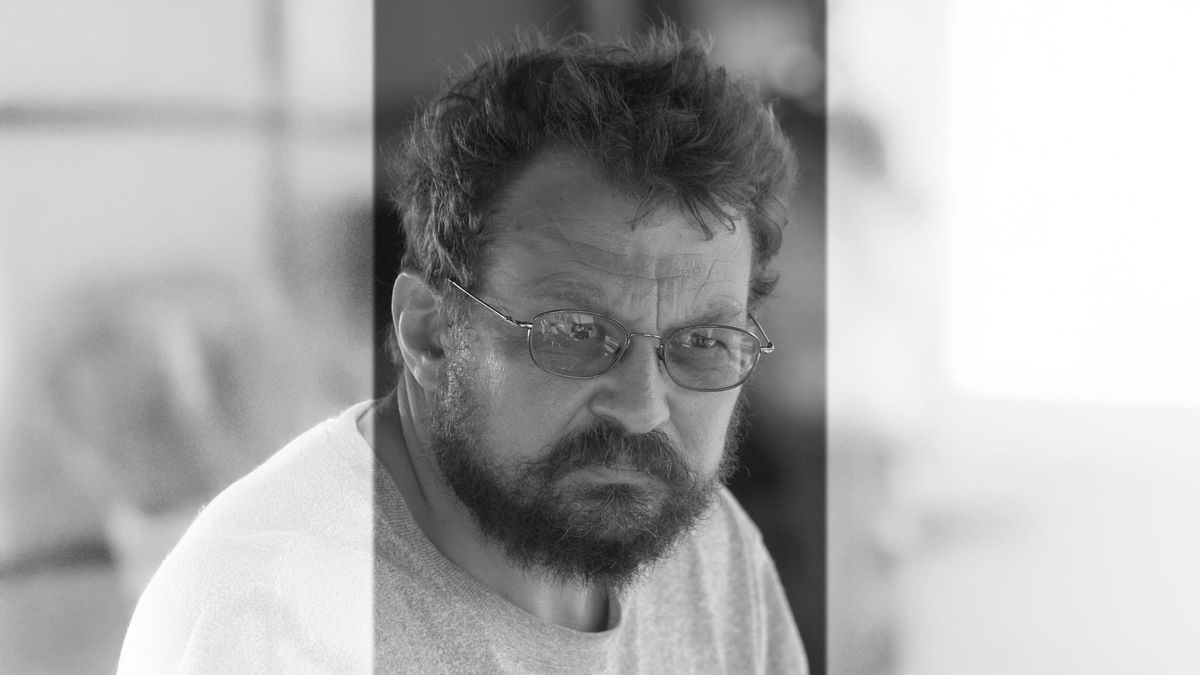
Michael Painter, who died on February 11th, 2026, joined WCS in 1997 to direct the Kaa-Iya project. An ecological anthropologist, he had spent years studying rural development and land use. His work convinced him that environmental outcomes were shaped by economics and power as much as ecology.
He brought that thinking to Kaa-Iya. Indigenous technicians were trained to gather and interpret ecological data. An organization able to produce evidence of its own was better placed when governments, companies, or conservationists arrived with competing claims about its land.
Painter later led WCS programs in Bolivia, Peru, and the Amazon before turning to the practices of conservation organizations themselves. He helped establish the Conservation Initiative on Human Rights and WCS’s Institutional Review Board for research involving human subjects. He argued that conservation inevitably affected access to land and resources, and therefore had to reckon with rights, governance, and livelihoods.
Painter was skeptical of conservation projects that promised participation while leaving decisions with outsiders. He pushed instead for Indigenous organizations to have the rights, information, and institutional strength to negotiate on their own terms. Kaa-Iya had shown him what that could mean: conservation built not around Indigenous people, but with them as holders of land, knowledge, and power.
Michael Painter put Indigenous land rights at the center of conservation